Marketing your drone photography business
Marketing Your Drone Photography Business
By Alex Rivera | FAA Part 107 Certified Pilot
The drone photography industry in the United States has matured significantly since the Federal Aviation Administration began issuing commercial drone licenses in 2016. What once seemed like a novelty?a camera floating hundreds of feet above a construction site or a wedding venue?has become an expected deliverable for real estate agents, construction firms, filmmakers, and insurance adjusters across the country. Yet despite growing demand, many talented pilots struggle to build sustainable businesses. The technical skills are there. The FAA certification is in hand. The equipment performs flawlessly. But consistent client acquisition? That remains the persistent challenge.
This guide cuts through the noise and focuses on what actually works for drone photography businesses operating in the US market. We'll cover legal considerations specific to American regulations, practical marketing strategies with real implementation frameworks, pricing structures that reflect US market conditions, and systems for building repeatable revenue streams. No fluff. No shortcuts. Just actionable approaches grounded in how the American commercial drone industry actually operates.
The US Commercial Drone Market: Understanding the Opportunity
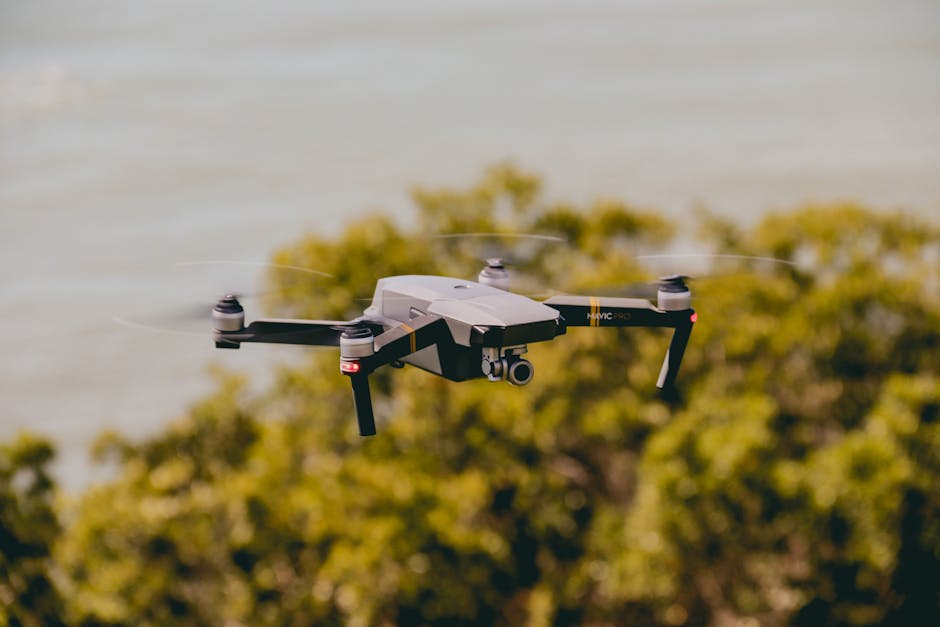
Before diving into marketing tactics, you need a clear picture of where the demand actually exists. The US commercial drone market isn't monolithic?different sectors have different buying patterns, budget cycles, and decision-making processes.
Market Reality Check: The Association for Unmanned Vehicle Systems International (AUVSI) projects that commercial drones will contribute $82 billion to the US economy by 2025. Real estate, construction, and infrastructure inspection currently account for roughly 70% of commercial drone service revenue in the United States.
This concentration matters for your marketing strategy. A pilot targeting real estate agents in Phoenix operates completely differently than one pursuing infrastructure inspection contracts with municipal governments in the Northeast. The former needs volume and quick turnaround; the latter needs relationships, certifications, and longer sales cycles. Understanding which segment aligns with your skills and resources shapes every subsequent marketing decision.
Legal Foundation: How FAA Regulations Affect Your Marketing
Your marketing claims are constrained by what you're actually permitted to do under FAA regulations. Violating these constraints?not just in operations but in how you represent your services?creates legal exposure that can damage your business far more than any failed advertising campaign.
Part 107 certification permits commercial operations for compensation or hire, but it comes with restrictions that directly impact how you market your services. You cannot fly over non-participating persons (unless under 400 feet and in compliance with Remote ID requirements). You cannot operate from a moving vehicle. You cannot fly at night without a waiver. These aren't bureaucratic footnotes?they're constraints that define the boundaries of what you can realistically deliver for clients.
Pro Tip: When creating marketing materials, explicitly state your operational limitations alongside your capabilities. Clients who understand upfront what you can and cannot do are far less likely to request services that create legal problems. This transparency also differentiates you from operators who make vague promises and then scramble to deliver.
Remote ID compliance, fully implemented in September 2023, affects your marketing in subtler ways. Standard Remote ID rules require drones to broadcast identification and location information during flight. If you're marketing to government agencies or security-conscious corporate clients, being able to explain your Remote ID setup?rather than just having one?becomes a trust-building talking point.
Building Your Online Presence: More Than a Pretty Portfolio
Every drone pilot has a portfolio website. Very few have websites that actually generate leads. The difference lies in understanding how potential clients search for services and designing your online presence to match those search behaviors.
Search Behavior and Local Optimization
US clients searching for drone photography services typically search geographically. "Drone photography Chicago real estate." "Aerial video company Los Angeles." "Construction site photography Dallas." This means your local search optimization matters far more than your overall web authority.
Claim and optimize your Google Business Profile?this remains the single highest-impact action for local service businesses in the United States. Complete every field: business hours, service areas, categories, photos, and reviews. The Google Business Profile appears in the map pack that precedes organic search results for local queries, and it influences 93% of searchers who conduct local searches.
Your website should include location-specific landing pages if you serve multiple metropolitan areas. A single generic portfolio page optimized for "drone photography" will lose to competitors with dedicated pages for "drone real estate photography Atlanta" or "aerial construction monitoring Houston."
Portfolio Strategy: Show Results, Not Just Shots
Clients don't buy aerial photographs. They buy outcomes: a property that sells faster, a construction milestone documented for stakeholders, footage that makes their brand stand out. Your portfolio should tell this story.
Instead of organizing your work only by industry (real estate section, construction section, events section), create case studies that demonstrate the business impact of your work. "How aerial photography helped this Phoenix real estate agent close a $2.3 million property in under 30 days" tells a more compelling story than a grid of sunset shots. Include specific metrics where available?client testimonials referencing business results carry more weight than aesthetic praise.
Portfolio Differentiation: According to a 2023 survey by the Commercial Drone Alliance, 78% of US commercial clients said they chose a drone provider based on demonstrated industry-specific experience rather than lowest price or most impressive aerial footage. Your marketing should emphasize relevant vertical experience, not just technical capability.
Pricing Your Services: US Market Realities
Pricing strategy fundamentally shapes your marketing approach. A business competing on price markets differently than one competing on specialization and expertise. Most successful US drone photography businesses find their footing somewhere in the middle?competitive enough to win initial projects, premium enough to sustain profitability.
Understanding Rate Structures
US drone photography services typically operate under three pricing models:
- Hourly rates: Common for inspection work, mapping projects, and extended filming assignments. US market range: $150?$500 per hour depending on equipment, experience, and industry.
- Project flat fees: Standard for real estate photography, events, and defined deliverables. Residential real estate aerial packages typically range from $150?$500; commercial projects from $500?$3,000+.
- Subscription models: Emerging for construction monitoring and ongoing inspection clients who need regular aerial documentation. Monthly retainers of $1,000?$5,000+ are common for active construction sites.
Rate Reality: The FAA's 2023 drone pilot workforce survey indicated average self-reported income of $63,000 annually for full-time commercial operators in the United States. However, pilots focusing on specialized verticals like infrastructure inspection or precision agriculture reported averages exceeding $100,000. Specialization directly impacts pricing power.
Your pricing page?if you have one?should be transparent enough to pre-qualify leads. Listing starting prices or typical project ranges filters out inquiries that would waste your time and attracts clients who understand that professional aerial work requires legitimate investment.
Networking and Strategic Partnerships
For most US drone photography businesses, the majority of revenue flows through relationships rather than cold advertising. Strategic partnerships amplify your reach into industries where you don't have existing connections.
Building B2B Relationships
The most reliable partnership model connects drone pilots with businesses that already serve the clients you want to reach. A real estate photographer who doesn't offer aerial services becomes a referral source. A construction management firm that lacks drone capabilities welcomes a reliable vendor relationship. A wedding videographer who receives occasional aerial requests but lacks the license can refer clients to you.
"The best marketing I ever did was showing up to a real estate office with printed samples and asking the broker what her top agents complained about. I came back the next week with solutions to their specific problems. I didn't sell drone services?I sold answers to their actual frustrations."
This approach requires more time than digital advertising but produces dramatically lower customer acquisition costs. A single referral relationship with a busy real estate office can generate 5?10 projects annually with minimal ongoing effort.
Trade Associations and Industry Events
The US drone industry has developed its own event ecosystem. Commercial drone expos in Las Vegas, the AUVSI XPONENTIAL conference, and regional meetups hosted by local drone user groups create opportunities to build relationships with potential clients and referral partners. These events also provide content for your marketing?speaking at or attending industry events generates material for social proof and social media.
Pro Tip: Don't just attend these events as a spectator. Offer to demonstrate your equipment or present a case study of a successful project. Active participation builds recognition far faster than passive networking, and presentation credentials create marketing assets you can use for years.
Lead Generation Systems That Actually Work
Random marketing activities produce random results. Sustainable business growth requires systems?processes that generate leads predictably even when you're not actively working on marketing.
Content Marketing for Drone Services
Content marketing for drone photography serves a specific function: establishing topical authority so that when potential clients search for information, your business appears. The strategy isn't about writing blog posts for the sake of publishing?it's about creating resources that answer questions your potential clients actually ask.
Effective content topics for US drone photographers include:
- "Do I need FAA approval for drone photography at my commercial property?"
- "What to include in a drone photography RFP for real estate"
- "How construction companies use aerial monitoring to reduce insurance claims"
- "Drone photography pricing: what commercial clients actually pay in 2024"
These topics address search intent from potential clients at the research phase of their buying journey. Capturing this traffic builds an asset that generates leads continuously rather than requiring constant paid advertising spend.
Referral Programs and Client Loyalty
Acquiring a new B2B client in the drone photography space typically costs 5?7 times more than retaining an existing one. Yet most operators focus exclusively on new client acquisition, treating existing clients as passive revenue rather than active marketing assets.
A structured referral program creates mutual incentive. Offer existing clients a discount on their next project for every qualified referral that converts. For commercial clients, the referral might be less about discount and more about relationship?referring contractors get priority scheduling or bundled pricing on future projects. The structure matters less than the systematic approach to asking.
Understanding Your Numbers
Marketing effectiveness requires measurement. Without clear metrics, you cannot optimize your spend or replicate your successes.
Essential Metrics for Drone Photography Businesses
Track these metrics monthly at minimum:
- Cost per lead by channel: How much did you spend on Google Ads, website optimization, networking events, or referral programs to generate each inquiry?
- Lead-to-project conversion rate: What percentage of inquiries become paying projects? Low conversion rates indicate either pricing misalignment or qualification issues.
- Customer acquisition cost: Total marketing and sales spend divided by number of new clients. Compare this against average project value to ensure sustainable unit economics.
- Project value by industry vertical: Which client types generate the most revenue? Which require the most support? This informs where to focus marketing efforts.
| Marketing Channel | Typical CPL Range (US) | Lead-to-Project Rate | Best For |
|---|---|---|---|
| Google Search Ads | $45?$150 | 8?15% | High-intent commercial clients |
| Google Business Profile | $0 (organic) | 5?12% | Local real estate, events |
| Industry Referral Partners | $0?$50 | 25?40% | Recurring commercial projects |
| Social Media (organic) | $0 | 2?5% | Brand awareness, trust building |
| LinkedIn Outreach | $20?$80 | 10?20% | Enterprise B2B connections |
This data shows why diversified approaches beat single-channel dependence. Google Ads provides fast, high-intent traffic but at significant cost. Referral relationships require upfront relationship investment but convert at dramatically higher rates. Organic social media generates minimal direct leads but builds the brand recognition that makes other channels more effective.
Scaling Thoughtfully: When and How to Expand
Successful drone photography businesses eventually face a choice: grow beyond a solo operation or optimize a profitable single-pilot business. Neither choice is universally correct?the right path depends on your goals, market position, and operational capacity.
If expansion makes sense, the first hire is typically an assistant or second pilot rather than sales or administrative support. Your flight operations scale by equipment and personnel; everything else can be systematized before adding headcount. Adding a second pilot allows you to bid on larger projects and maintain service continuity when you're unavailable, but it also adds complexity: additional insurance requirements, equipment management, and quality control.
Marketing for a multi-pilot operation differs from solo marketing. Clients seeking larger projects want to know about your team, your equipment inventory, and your capacity to deliver on schedule. Your marketing should emphasize these operational capabilities rather than individual pilot credentials.
Your Next Steps
The strategies in this guide represent proven approaches for US drone photography businesses, but only if implemented consistently. Review your current marketing activities through this lens: Does each activity align with your target market, support your pricing strategy, and contribute to measurable business outcomes?
Start with the foundation?FAA compliance in all client communications, a clear Google Business Profile, and a portfolio organized around client outcomes rather than aerial aesthetics. Layer in relationship-building activities focused on your highest-value vertical. Track your metrics religiously. Iterate based on what the data tells you rather than what feels comfortable.
The US commercial drone market rewards professionals who combine technical excellence with business sophistication. The pilots who build sustainable businesses aren't necessarily the most talented flyers or the best cinematographers?they're the ones who understand how to connect their capabilities with client needs and communicate that value effectively.
Your Part 107 certification opened the door. What you do with it now determines everything else.