Equipment insurance for drone pilots
Why Equipment Insurance Matters for US Drone Pilots
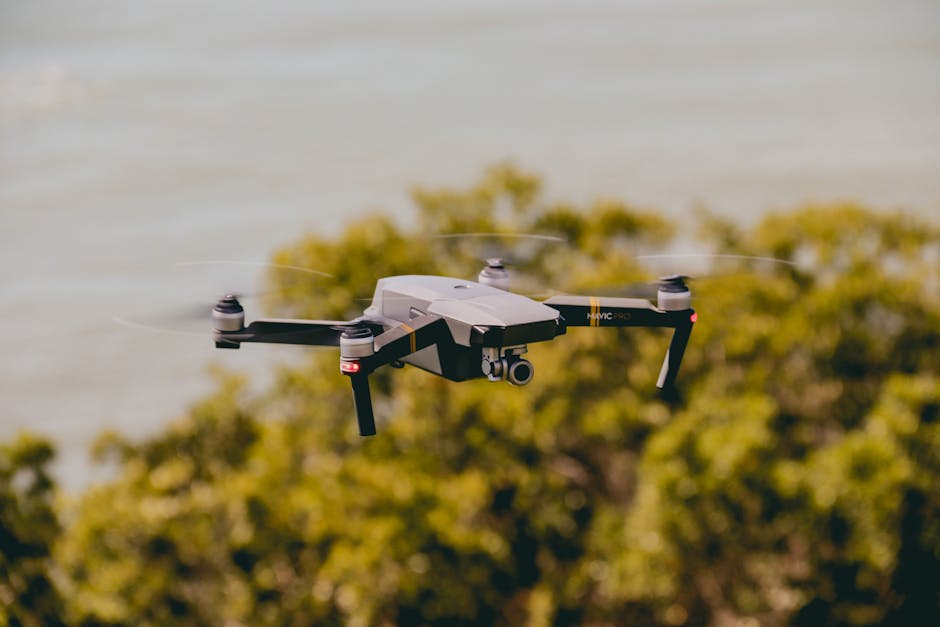
As a Part 107 certified pilot flying over Los Angeles skies, I've seen colleagues lose thousands of dollars in equipment to accidents, theft, and mechanical failures. The Federal Aviation Administration has certified over 370,000 remote pilots in the United States as of 2024, and each one faces the same fundamental question: how do I protect my investment in an industry where crashes happen, weather shifts without warning, and expensive aircraft can disappear in seconds?
Equipment insurance for drone pilots isn't a luxury add-on?it's a critical risk management tool that separates professionals from hobbyists and ensures your business survives when things go wrong. This guide cuts through the confusion to give you concrete, actionable information about protecting your drone fleet in the US regulatory and insurance .
The US Regulatory Framework and Your Coverage Obligations
The FAA governs all drone operations in the United States, but it doesn't mandate drone insurance. This creates a confusing situation where legal operation doesn't automatically mean adequate protection. Under Part 107 regulations, you can fly commercially without proving you carry insurance?but that doesn't mean you should skip it.
Your client contracts likely require coverage. Real estate agencies, construction firms, and film production companies routinely demand proof of insurance before allowing drones on their projects. Without coverage, you're locked out of significant revenue streams and exposed to liability if your aircraft damages property or injures people.
Understanding the Types of Coverage Available
Drone insurance generally breaks into two categories: liability coverage and equipment coverage. Most pilots need both, but understanding their differences helps you make informed decisions.
Liability Insurance
Liability coverage protects you when your drone causes damage to others or their property. If your Mavic 3 strikes a vehicle on the 405 freeway during a traffic shoot, liability insurance covers the resulting claims, medical expenses, and legal defense costs. This coverage is essential for commercial operations because accidents involving third parties can result in lawsuits exceeding $500,000.
Standard liability limits for commercial drone work range from $500,000 to $2,000,000 per occurrence. Many enterprise clients and government agencies specify minimum requirements in their contracts, typically $1,000,000 aggregate coverage for general commercial work.
Equipment Coverage
Equipment coverage, also called hull coverage, protects your actual drone hardware against damage, theft, and loss. This includes the aircraft, camera systems, batteries, and accessories. When your Inspire 3 tumbles into the Pacific Ocean during a coastal shoot, equipment coverage pays to repair or replace your investment.
Equipment policies typically operate on either an agreed value basis (pre-set replacement value) or actual cash value basis (current market value minus depreciation). Agreed value policies cost more but eliminate disputes when settling claims.
Combined Policies
Most insurance providers offer packaged policies combining liability and equipment coverage. These bundle options typically provide better rates than purchasing coverage separately and simplify your administration with one carrier, one premium, and one claims process.
When You Actually Need Insurance Coverage
Not every flight requires the same level of protection. Understanding your risk profile helps you allocate coverage appropriately without overpaying.
Commercial Operations (Part 107)
If you accept payment for drone services, you need comprehensive coverage. This includes real estate photography, wedding videography, construction site monitoring, infrastructure inspections, and any other paid work. The moment money changes hands, you face the same liability risks as any professional service provider?plus additional exposure from operating in dynamic environments.
Hobbyist Flying
Recreational fliers under the Exception for Recreational Flyers still face equipment risks. Your DJI Mini 4 Pro costs $1,000+ with accessories. A homeowner insurance policy might cover some drone losses, but many standard policies exclude or limit coverage for Unmanned Aircraft Systems. Review your existing coverage before assuming you're protected.
Non-Owned Drone Coverage
Freelance pilots who rent or borrow equipment need specific coverage for non-owned aircraft. Some rental programs include basic coverage, but typical limits leave you responsible for the gap between rental coverage and full replacement cost. If you're operating aircraft you don't own, verify coverage gaps before your next job.
What Policies Cover?and What They Exclude
Reading the fine print separates pilots with genuine protection from those with expensive pieces of paper. Understanding exclusions prevents surprises when you file claims.
Common Coverage Inclusions
- Accidental damage during normal operations
- Crash damage from pilot error
- Theft from vehicles, studios, or job sites
- Damage during transport
- Third-party property damage liability
- Medical payments for injuries to others
- Legal defense costs
- Equipment failure from manufacturing defects
Typical Exclusions to Watch For
- Deliberate hazardous flying or racing
- Operations in excluded weather conditions
- Flights over crowds exceeding regulatory limits
- War, terrorism, or nuclear incidents
- Wear and tear, gradual deterioration
- Mechanical failures from improper maintenance
- Operations without required FAA certifications
- Damage during storage in extreme conditions
"The policy you understand is the policy that protects you. Read every exclusion before signing, and get written confirmation on any coverage questions from your agent."
Comparing US Drone Insurance Providers
The US drone insurance market has matured significantly since Part 107 launched in 2016. Several carriers now specialize in UAS coverage, offering tailored policies for pilots at every level.
| Provider | Coverage Type | Min. Premium (Annual) | Equipment Limits | Best For |
|---|---|---|---|---|
| Verifly (Now THIMBLE) | Per-flight or monthly | $10 per flight / $149/month | Up to $50K | Occasional commercial pilots |
| SkyWatch.AV | Monthly subscription | $59/month | Up to $100K | Freelancers and small operators |
| AVM Insurance | Annual policy | $500+ | No stated maximum | Established commercial operators |
| DJI Care Refresh | Equipment protection | $129-$279 | Replacement units | DJI aircraft owners |
| State Farm / Local Agents | Rider on home policy | Varies | Usually capped low | Hobbyists seeking basic coverage |
Prices vary significantly based on your location, aircraft value, flight history, and coverage limits. A pilot in New York City with $25,000 in equipment and a history of commercial work will pay substantially more than a Texan flying a $700 Mavic Mini for fun.
Cost Factors That Determine Your Premium
Insurance underwriters evaluate several factors when calculating your drone insurance premium. Understanding these helps you make decisions that reduce costs without sacrificing necessary protection.
Flight Experience and Certification Level
Part 107 certification demonstrates baseline competency, but insurers also consider your total flight hours, specialized training, and claims history. Pilots with 500+ hours and clean records often qualify for premium discounts. Consider adding night operations endorsement or other advanced certifications to demonstrate experience.
Aircraft Value and Type
Higher-value equipment means higher premiums. A DJI Mavic 3 Cine Premium Combo ($6,000+) costs more to insure than a DJI Mini 4 Pro ($700). Camera systems, gimbals, and specialized sensors add to replacement costs. Insurers often apply different rates for fixed-wing versus multirotor aircraft based on crash statistics.
Operational Radius and Environment
Where you fly matters. Urban operations with higher collision risks, flights over people, and proximity to airports all increase premium costs. Rural agricultural surveys or wilderness mapping typically carry lower rates due to reduced third-party exposure.
Claims History
Like auto insurance, your claims history affects future premiums. A crashed aircraft in Year 1 might increase Year 2 premiums by 20-40%. Some insurers offer claims-free discounts that reward safe operators over time.
The Claims Process: What Happens When You Need Coverage
Understanding the claims process before you need it prevents costly mistakes during stressful situations. Every insurer handles claims differently, but the general framework remains consistent.
Immediate Steps After an Incident
When your drone crashes, goes missing, or causes damage, document everything immediately. Photograph the scene, preserve the aircraft or debris, gather witness information, and file any required FAA reports. Most policies require notification within 30 days, but immediate reporting strengthens your claim and ensures you don't miss critical deadlines.
Documentation Requirements
Insurers require proof of loss, which typically includes purchase receipts, maintenance records, flight logs, and incident reports. For theft claims, police reports are mandatory. Reconstruction software like AirData or DJI Flight Recorder data provides crucial evidence about what happened during your flight.
Claim Resolution Timelines
Simple equipment damage claims might resolve within 2-3 weeks with appropriate documentation. Complex claims involving liability, third parties, or disputed fault can take months. Agreed value policies typically resolve faster because replacement amounts are pre-determined.
Special Considerations for Commercial Operations
Part 107 commercial pilots face unique coverage needs that extend beyond basic aircraft protection. Your business structure, client requirements, and operational scope all influence your insurance strategy.
Business Entity Coverage
If you operate as an LLC, corporation, or other business entity, ensure your policy covers the business rather than just you as an individual. Flying under a business name without proper coverage creates gaps where personal policies might not apply. Name your business entity exactly as it appears in your registration documents on all insurance paperwork.
Client Requirements and Certificates
Enterprise clients often require you to name them as additional insured parties on your policy. This means they receive notice if your coverage lapses and may be protected if they're implicated in claims arising from your operations. Most insurers provide certificates of insurance within 24-48 hours of request?build this lead time into your project timelines.
Subcontractor and Employee Coverage
If you hire other pilots to fly under your contracts, verify whether your policy covers them or whether they need separate policies. Inconsistent coverage among team members creates liability exposure that falls on the project lead. Clear contractual language about insurance requirements protects everyone.
Building Your Coverage Framework
Effective drone insurance requires matching coverage to actual risk exposure. Use this framework to evaluate your current situation and identify gaps.
Risk Assessment Questions
- What is the total replacement cost of your aircraft, accessories, and spare equipment?
- Do you fly over people, vehicles, or structures regularly?
- What are your typical client's minimum coverage requirements?
- Do you operate near airports or restricted airspace?
- What is your annual flight volume and average job value?
- Do you have existing liability exposure from property or business operations?
- Can you afford to replace equipment out-of-pocket if coverage fails?
Coverage Level Recommendations
Based on operational scope, consider these general guidelines:
Hobbyists with equipment under $2,000: Basic equipment rider on homeowner's policy or entry-level drone-specific coverage. Minimum liability isn't critical but consider $100,000 minimum if you fly near others.
Freelance commercial pilots with equipment under $10,000: Dedicated drone policy with $500,000-$1,000,000 liability and equipment coverage matching your fleet value. Monthly subscription plans work well for variable income.
Established operators with equipment exceeding $10,000: Annual commercial policy with agreed value equipment coverage, $1,000,000+ liability, and business entity protection. Consider umbrella coverage for large contracts.
Key Takeaways and Action Steps
Drone equipment insurance in the United States remains fragmented and confusing, but the core principles are straightforward. Match coverage to actual risk exposure, understand your policy's exclusions, and maintain documentation that supports claims when you need them.
- Review current coverage to identify gaps before your next project
- Contact at least three providers for quotes when coverage needs change
- Document aircraft serial numbers, purchase dates, and replacement values
- Keep insurance certificates accessible for client requirements
- Report incidents immediately regardless of apparent severity
- Consider business structure implications for commercial operations
- Factor insurance costs into project pricing as a standard expense
Protecting your drone investment isn't optional in a profession where a single crash can cost tens of thousands of dollars. Build your coverage framework now, before you need it, and fly with the confidence that comes from genuine protection.