Emergency procedures for drone pilots
When Things Go Wrong: A Framework for Handling Drone Emergencies
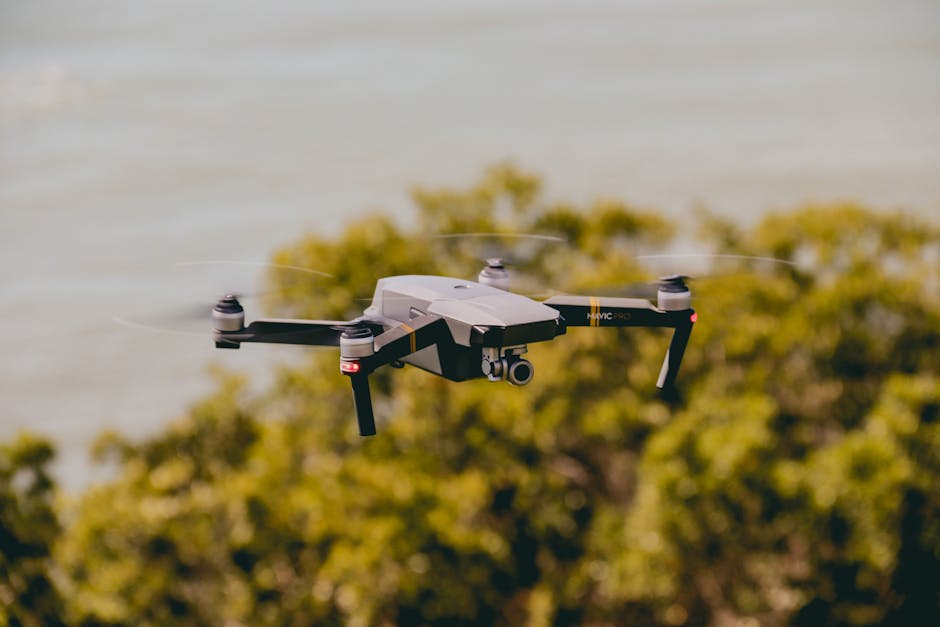
The rotors hum a familiar rhythm as your DJI Mavic 3 climbs to 200 feet over a construction site in Phoenix. The golden hour light paints the incomplete steel framework in warm tones. Your client watches from the ground, impressed by the smooth movements. Then the unexpected happens: your video feed freezes, the drone stops responding to your control inputs, and the "Weak GPS Signal" warning flashes across your screen.
Every drone pilot who has flown long enough has faced a moment like this. The difference between a minor incident and a costly disaster often comes down to preparation and split-second decision-making. This guide provides a systematic approach to emergency procedures that every Part 107 certificate holder?and recreational flyer?should internalize before their next flight.
Understanding the Categories of Drone Emergencies
Drone emergencies fall into four primary categories: equipment malfunction, environmental factors, pilot error, and external interference. Each requires a different response strategy, and recognizing which type you're dealing with is the first step toward resolving the situation.
Equipment malfunctions range from battery failures to motor stoppage to complete flight controller crashes. These account for approximately 34% of all drone incidents according to FAA incident reports. Environmental emergencies include unexpected weather changes, bird strikes, and GPS interference from local infrastructure. Pilot error encompasses disorientation, flying beyond visual line of sight, and poor flight planning. External interference involves signal jamming, other aircraft, and in rare cases, intentional disruption.
FAA Data Point: Between 2021 and 2023, the FAA received over 2,800 reports of drone-related incidents, with 67% occurring during routine commercial operations. The most common contributing factor was inadequate pre-flight assessment (42%), followed by equipment malfunction (34%) and environmental conditions (24%).
Equipment Malfunction Protocols
When your drone behaves unexpectedly, your first action should always be to assess whether you have control authority. If the drone responds to throttle but not directional inputs, you're dealing with a different failure mode than if it's completely unresponsive. This distinction determines your next moves.
Partial control scenarios allow for managed descent. Reduce altitude gradually while maintaining visual contact. Avoid the temptation to rush the drone down?rapid altitude changes can mask underlying control issues and lead to harder landings. If you have throttle control but the drone won't descend, try switching to Sport Mode if your aircraft supports it; the increased power can sometimes overcome resistance in the descent motors.
Complete loss of control requires immediate assessment of the drone's location and trajectory. Note the last known position, current heading, and any obstacles in the flight path. If the drone is drifting toward people, vehicles, or restricted airspace, your priority shifts from recovery to damage mitigation. This is when you sound the alarm?literally. Alert anyone in the drone's path and prepare for impact.
Battery Emergency Procedures
Battery failures present unique challenges because they often cascade into other problems. A dying battery means reduced motor power, which affects maneuverability. Low voltage can cause flight controllers to behave erratically. The FAA requires commercial pilots to land with at least 20% battery remaining, but emergencies don't respect regulations.
When your battery warning triggers at an inopportune moment, resist the urge to race home. High-speed flight consumes battery faster than steady hovering. Instead, identify the nearest safe landing zone and plot the most direct route. If you're over water or hostile terrain, your calculations change?you may need to sacrifice the drone rather than risk an uncontrolled crash in a populated area.
Pro Tip: Set your return-to-home altitude higher than the tallest obstacle within your flight radius. Many pilots default to 100 feet, but urban environments often have structures exceeding this. Calculate your RTH altitude by adding 50 feet to the maximum structure height in your operational area. This single adjustment prevents the most common cause of RTH crashes: the drone climbing into obstacles on its automated return path.
Environmental Emergency Response
Weather changes account for nearly a quarter of all drone incidents, and the American presents unique challenges. From sudden thunderstorms on the Great Plains to the Santa Ana winds that sweep through Southern California, environmental conditions can shift faster than most pilots anticipate.
Wind-Related Emergencies
Every drone has a maximum wind resistance rating, but these specifications assume ideal conditions. In practice, wind gusts can exceed your drone's capabilities even when average wind speed falls within specifications. When wind pushes your drone beyond its ability to hold position, you'll notice the aircraft drifting despite your counter-inputs.
The strategy for wind emergencies depends on your position relative to your launch point. If you're upwind of home, the return journey will consume significantly more battery than anticipated. If you're downwind, you may be able to ride the wind back, but you'll have reduced control authority. In either case, reduce altitude?wind speeds decrease closer to the ground due to surface friction. A descent from 200 feet to 50 feet can reduce your effective wind speed by 30-50% depending on terrain.
In extreme wind situations where return is impossible, look for sheltered landing zones. The lee side of buildings, parking structures, and dense vegetation all provide wind shadows. Prioritize protecting people over protecting equipment. A controlled landing in a tree is preferable to an uncontrolled crash on a sidewalk.
GPS Loss and Electromagnetic Interference
GPS loss occurs more frequently than most pilots realize. Urban canyons formed by downtown skyscrapers, industrial areas with heavy electromagnetic activity, and even some natural formations can interfere with satellite signals. When GPS fails, your drone switches to ATTI (attitude) mode, which removes position holding and relies entirely on your manual control inputs.
Flying in ATTI mode requires different skills than GPS-assisted flight. Without position lock, the drone continues drifting in whatever direction it was moving when you released the sticks. You must actively counter every movement. For pilots who learned primarily in GPS mode, this transition can be disorienting.
Critical Statistic: According to the FAA's 2023 Airspace Incident Report, GPS interference events affecting drone operations increased 156% between 2020 and 2023, with the highest concentration in major metropolitan areas. Los Angeles, New York, and Chicago accounted for 48% of all reported GPS interference incidents.
If you experience GPS loss mid-flight, the first step is to maintain visual contact. Without GPS, your telemetry data becomes unreliable?altitude readings may drift, and the home point may shift. Trust your eyes over your instruments. Begin a slow, controlled descent toward your landing zone, making small, deliberate control inputs. Avoid the temptation to switch flight modes rapidly; this can confuse the flight controller and worsen the situation.
The Pre-Flight Emergency Framework
The best emergency procedure is prevention. A thorough pre-flight assessment identifies potential problems before they become crises. This framework goes beyond the standard checklist to incorporate emergency-specific considerations.
Site Assessment for Emergency Planning
Before every flight, identify your emergency landing zones. These should be clear, accessible areas where you can set down quickly if something goes wrong. In urban environments, this might be a parking lot or park. In rural areas, look for open fields away from livestock and crops. Having multiple zones identified?primary, secondary, and emergency of last resort?gives you options when the situation deteriorates.
Assess the obstacles around your flight area. Power lines are particularly dangerous because they're difficult to see from altitude and can cause electromagnetic interference even without contact. Map the location of all overhead lines, and note their height relative to your planned flight altitude. If you're flying near an airport (with proper authorization), note the traffic patterns and have a plan for immediate descent if you hear or see manned aircraft.
Pro Tip: Create a mental map of "no-go zones" before takeoff?areas where you would never want your drone to crash, such as schools, hospitals, prisons, and critical infrastructure. If you lose control during flight, steer toward your emergency landing zones and away from these sensitive areas. This mental preparation can save crucial seconds during an actual emergency.
Equipment Checks Specific to Emergency Readiness
Standard pre-flight checks verify that your equipment works. Emergency-specific checks verify that your equipment will work when stressed. Check your battery connections by gently wiggling the battery in its compartment?loose connections cause intermittent power delivery that can trigger emergency landings mid-flight. Inspect propellers for hairline cracks, which can propagate under the stress of high-speed maneuvers or wind resistance.
Test your return-to-home function before every flight in a new location. Let the drone hover at 20 feet, then trigger RTH. Verify that it climbs to the correct altitude and returns directly to the home point. This simple test catches GPS errors and compass calibration issues before they cause problems at altitude.
Post-Incident Procedures and FAA Reporting
When an emergency results in damage or injury, your actions in the aftermath matter as much as your response during the incident. The FAA requires reporting under specific circumstances, and proper documentation protects you legally and financially.
When FAA Reporting Is Required
Not every incident requires a report to the FAA. Understanding the thresholds helps you comply with regulations without unnecessary paperwork. The table below outlines the reporting requirements for drone incidents under Part 107:
| Incident Type | Reporting Threshold | Reporting Timeline | Report Destination |
|---|---|---|---|
| Serious Injury | Any injury requiring medical treatment beyond first aid | Within 10 calendar days | FAA Accident Reporting System |
| Property Damage | Damage exceeding $2,000 (not including drone) | Within 10 calendar days | FAA Accident Reporting System |
| Airspace Incursion | Any unauthorized entry into controlled airspace | Immediate notification to ATC | ATC + FAA Hotline |
| Near Mid-Air Collision | Any proximity event with manned aircraft | Within 10 calendar days | FAA Accident Reporting System |
| Loss of Control | Uncontrolled descent or crash in public area | Within 10 calendar days if injury/damage occurs | FAA Accident Reporting System |
The $2,000 property damage threshold catches many pilots off guard. This figure excludes the value of the drone itself?you could lose a $3,000 aircraft and not need to report it if no other property was damaged. However, if your drone crashes through a greenhouse roof or dents a vehicle, the repair costs quickly exceed this threshold.
Documentation Best Practices
Even when FAA reporting isn't required, thorough documentation serves multiple purposes. Insurance claims, client disputes, and professional development all benefit from detailed incident records. After any emergency, document the following:
- Exact time and location of the incident (GPS coordinates if available)
- Weather conditions including wind speed, visibility, and temperature
- Battery level and flight time at the moment of emergency
- Altitude, distance from home point, and speed
- Description of what happened in your own words, including control inputs
- Any error messages displayed on your controller or mobile device
- Photos of the crash site, drone damage, and any property damage
- Contact information for any witnesses
- Copies of flight logs from your drone's internal storage
- Screen captures of any relevant telemetry data
"The difference between a pilot who learns from an incident and one who repeats it is documentation. I've reviewed hundreds of incident reports, and the pilots who keep detailed records?flight logs, maintenance history, and post-incident notes?consistently show better safety records over time. The five minutes you spend writing down what happened can save you from a far more serious incident next year." ? Michael Chen, FAA Safety Team Representative, Western Pacific Region
Training for Emergency Scenarios
Reading about emergency procedures prepares your mind, but muscle memory comes from practice. Incorporating emergency scenarios into your regular flying routine builds the reflexes you need when seconds count.
Simulated Emergency Drills
Set aside one flight session per month specifically for emergency practice. These drills should feel uncomfortable?that's how you know they're working. Start with GPS loss simulation: in a safe, open area, switch your drone to ATTI mode and practice controlled flight without GPS assistance. The first few times, you'll overcorrect and struggle to maintain position. With practice, ATTI mode becomes as natural as GPS-assisted flight.
Practice return-to-home scenarios with the RTH altitude intentionally set too low (in a clear area). Watch how your drone behaves, and practice taking manual control mid-RTH. This drill prepares you for the common scenario where RTH triggers but obstacles prevent a direct return. The ability to smoothly cancel RTH and take manual control prevents many crashes.
Battery emergency drills teach you to make quick landing zone decisions. Set a timer for a random point during your flight, then immediately find and land at the nearest safe spot. This exercise builds the habit of constantly scanning for emergency landing options during normal operations.
Equipment-Specific Considerations
Different drone models respond differently to emergencies. A DJI Mini 3 Pro in ATTI mode handles differently than a Skydio 2, and both differ from larger commercial platforms like the Autel EVO II or DJI Matrice series. Know your specific equipment's emergency behaviors.
Smaller drones often lack redundant systems, meaning a single motor failure results in uncontrolled descent. Larger commercial platforms may have dual GPS receivers, redundant IMUs, and motor redundancy that allows controlled flight even with a motor out. Understanding your equipment's capabilities and limitations shapes your emergency response.
Equipment Reality: Consumer drones under 250 grams have no motor redundancy and limited sensor suites. A single point of failure can cause complete loss of control. Professional-grade drones weighing over 1 kilogram typically include redundant flight controllers, dual GPS modules, and motor designs that allow controlled descent even with one motor disabled. Match your emergency planning to your equipment's capabilities.
Legal and Insurance Considerations
Emergency procedures don't end when the drone lands. The legal and financial aftermath can extend for months, making proper preparation essential.
Liability Coverage and Emergency Response
Standard homeowners and renters insurance policies typically exclude drone coverage, and many commercial general liability policies have drone-specific exclusions. If you fly commercially, specialized drone insurance provides coverage for both property damage and liability. In an emergency, your insurance company becomes an important partner.
Most drone insurance policies require prompt notification of any incident. Some require you to avoid admitting fault or making promises to third parties. Know your policy's requirements before you need them. Keep your insurance information in your drone case, including a 24-hour claims number if available.
Legal Obligations at Crash Sites
If your drone crashes on private property, you have the right to retrieve it?but the property owner has rights too. Trespassing laws apply even when retrieving your equipment. The best approach is to contact the property owner and request permission to retrieve your drone. Most people are reasonable when approached respectfully.
If your drone causes damage, do not leave the scene. Exchange contact information with the property owner, document the damage, and report the incident to your insurance company. Leaving without providing information can turn a civil matter into a criminal one.
Crashes involving critical infrastructure?power plants, water treatment facilities, telecommunications equipment?carry additional legal weight. These facilities often have their own security protocols, and your presence may be reported to law enforcement. Cooperate fully with security personnel and law enforcement, and be prepared to show your Part 107 certificate and explain your purpose for flying in the area.
Building Your Personal Emergency Protocol
Every pilot develops their own emergency response style, but certain principles apply universally. The following framework provides a starting point that you can adapt to your equipment, flying style, and operational environment.
First 5 seconds: Assess. What's happening? Is the drone responding? Where is it heading? What obstacles are in the path?
Seconds 5-15: Stabilize. Reduce altitude if possible. Maintain visual contact. Cancel any automated functions that might interfere with manual control.
Seconds 15-30: Execute. Begin your planned emergency response?return to home, controlled descent to emergency landing zone, or controlled crash in the safest available area.
Post-incident: Secure the scene. Check for injuries and property damage. Document everything. Report as required. Review what happened and adjust your procedures for next time.
Conclusion
Emergency procedures separate competent drone pilots from truly professional ones. The pilot who has internalized emergency responses, practiced them regularly, and prepared for the unexpected handles crises calmly and effectively. The pilot who assumes nothing will go wrong becomes a statistic in the FAA incident database.
Every flight carries risk. The goal isn't to eliminate risk entirely?that's impossible?but to understand it, prepare for it, and respond appropriately when it materializes. Build emergency practice into your routine. Know your equipment's limitations. Identify your landing zones before you take off. Keep your skills sharp in ATTI mode. And when the unexpected happens, trust your preparation.
The drone community learns from each incident shared, each near-miss analyzed, each procedure refined. Fly prepared, fly safe, and contribute your own experiences to the collective knowledge that makes our airspace safer for everyone.