Drone photography contracts and releases
Why Every Drone Pilot Needs Written Agreements
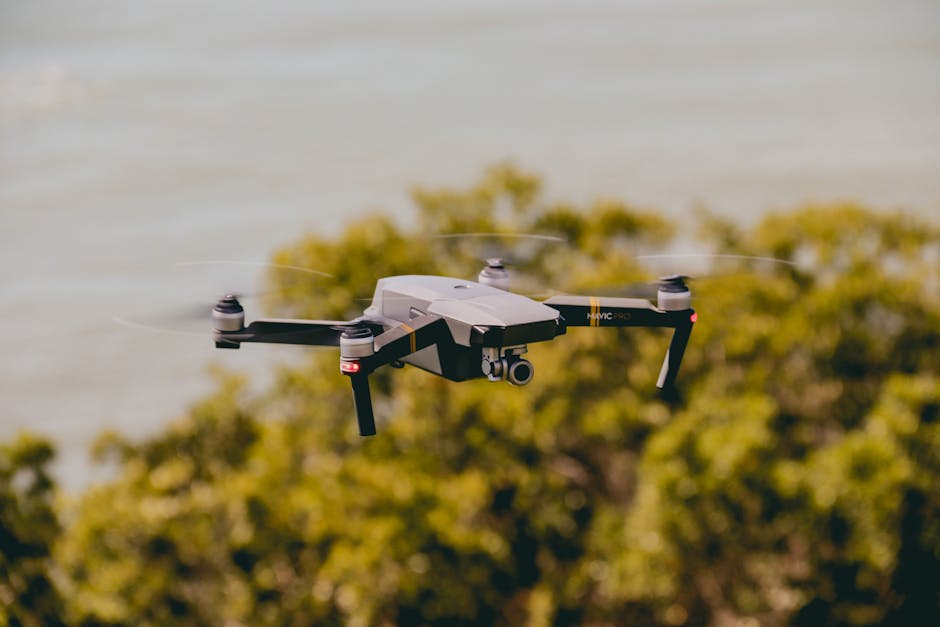
After three years flying commercially in Los Angeles, I've learned one lesson the hard way: verbal agreements and handshake deals don't hold up when something goes wrong. Early in my career, I took a job filming a luxury real estate listing in the Hollywood Hills. The agent told me he needed "a few quick shots" of the property. What he actually wanted was a full aerial tour with gimbal work, multiple angles, and post-production color grading?work that should have cost three times what we'd discussed. Without a written contract specifying deliverables, I spent twelve hours on a project I'd quoted as a two-hour shoot.
That experience pushed me to develop comprehensive contracts for every job, no matter how small. Whether you're shooting weddings in Austin, surveying construction sites in Chicago, or capturing coastal footage in Maine, written agreements protect both you and your clients. They set clear expectations, define the scope of work, and provide legal recourse when disputes arise.
This guide walks through the essential contracts and releases every drone photographer should understand and use. I'll share specific language, real-world scenarios, and practical frameworks you can adapt to your own business.
Key Statistic: According to the Federal Aviation Administration, there were over 276,000 registered commercial drones in the United States as of 2023. With that many pilots competing for work, professional practices?including proper contracts?separate serious operators from hobbyists.
The Legal Framework Governing Drone Photography
Before diving into contract specifics, you need to understand the legal . Drone photography in the United States operates under multiple layers of regulation: federal aviation law, state privacy statutes, local ordinances, and common law property rights. Your contracts must account for all of these.
FAA Part 107 Requirements
If you're flying commercially?which includes any drone work where you receive compensation, even if it's just portfolio footage you'll later use to attract paying clients?you must hold an FAA Part 107 remote pilot certificate. This isn't optional, and your contracts should reference your certification status.
The FAA mandates specific operational rules: maximum altitude of 400 feet above ground level (or within 400 feet of a structure), visual line-of-sight operation, daylight or civil twilight flying with anti-collision lighting, and airspace authorization for controlled areas. When a client asks you to fly higher, operate at night without proper lighting, or film in restricted airspace without authorization, your contract should explicitly state that you cannot legally comply with such requests.
State and Local Privacy Laws
Beyond federal aviation rules, states have enacted their own drone regulations. Texas, for example, has some of the strictest drone privacy laws in the country. Under the Texas Privacy Act, capturing images of individuals or private property with the intent to conduct surveillance without consent can result in criminal charges. California's paparazzi laws extend to drone photography, and Florida's Freedom from Unwanted Surveillance Act prohibits drone imaging of individuals on private property without consent.
Pro Tip: Before booking any job, check the specific drone laws in your state and municipality. The Drone Advocacy Alliance maintains a current database of state and local drone regulations. Print a summary and keep it in your gear bag?when clients question why you can't fly in certain areas or capture certain footage, having the statute reference ready builds credibility and protects you legally.
Airspace Rights vs. Property Rights
One of the most misunderstood aspects of drone photography involves the question: who owns the airspace above a property? The answer isn't straightforward. In the 1946 Supreme Court case United States v. Causby, the Court ruled that landowners have some rights to the airspace above their property, but only to the extent that it's necessary for reasonable use and enjoyment of the land. The FAA controls navigable airspace, generally considered to begin at 500 feet above ground level in most areas.
However, drones typically operate well below 500 feet. This creates a gray area where property owners may have legitimate claims against drone operators who fly low over their property without permission. Your contracts should address this by specifying that the client is responsible for securing any necessary property access or permissions for the areas you'll be flying.
Essential Drone Photography Service Contracts
A service contract is your foundational document. It defines the relationship between you and your client, outlines what you'll deliver, establishes payment terms, and allocates risk. Every commercial drone job should have one.
Scope of Work
The scope of work section is where most disputes originate. Vague language like "aerial photography services" or "drone footage of property" invites problems. Instead, specify exactly what you'll capture, how long you'll fly, and what the client will receive.
A strong scope section includes:
- Specific locations and subjects to be photographed or filmed
- Approximate flight time or number of flights
- Types of shots requested (wide establishing shots, close-up details, tracking shots, etc.)
- Deliverable format (raw files, edited footage, resolution specifications)
- Number of final images or length of final video
- Turnaround time for delivery
- Number of revision rounds included
For a real estate job, your scope might read: "Pilot will capture approximately 15-20 still images of the property exterior and surrounding grounds, including front elevation, rear yard, pool area, and neighborhood context shots. Flight time estimated at 30-45 minutes. Pilot will deliver 10-15 color-corrected high-resolution JPEG images within 48 hours of the shoot. One round of minor edits is included; additional edits billed at $75/hour."
Payment Terms
Never start work without a signed contract and at least a deposit. Standard practice in the industry is 50% upfront, 50% upon delivery. For larger projects, consider milestone payments. Your contract should specify:
- Deposit amount and due date
- Final payment amount and due date
- Late payment penalties
- What happens if the client cancels
- Whether expenses (travel, permits, insurance certificates) are included or billed separately
Liability and Indemnification
This section protects you when things go wrong. Drone operations carry inherent risks?equipment failure, unexpected weather, bird strikes, signal interference. Your contract should clearly state that you carry appropriate insurance (you do carry insurance, right?) and define who bears responsibility for various scenarios.
A basic liability clause might state: "Pilot maintains commercial drone liability insurance with minimum coverage of $1,000,000 per occurrence. Client agrees to indemnify and hold harmless Pilot from any claims arising from Client's use of delivered footage, including but not limited to claims of privacy violation, copyright infringement, or property damage resulting from Client's negligence."
Insurance Reality Check: Standard commercial general liability policies typically exclude aircraft?including drones. You need a specific drone liability policy. The Academy of Model Aeronautics offers liability coverage for members, and several insurers including Thimble, SkyWatch, and Transport Risk specialize in drone coverage. Expect to pay $500-$1,500 annually for a $1 million policy, or purchase on-demand coverage for individual shoots through apps like SkyWatch.
Weather and Cancellation Policies
Drones can't fly safely in all conditions. High winds, rain, low visibility, and extreme temperatures all ground operations. Your contract should address what happens when weather prevents a scheduled shoot.
My standard language: "Pilot reserves the right to postpone or cancel any flight due to weather conditions that, in Pilot's sole judgment, create unsafe operating conditions. Such conditions include but are not limited to: sustained winds exceeding 20 mph, gusts exceeding 25 mph, precipitation, visibility less than 3 miles, or temperatures outside the manufacturer's specified operating range. In the event of weather-related postponement, Pilot will make reasonable efforts to reschedule at the earliest mutually convenient time. Deposits are non-refundable but may be applied to rescheduled shoots within 90 days."
FAA Compliance Clause
Clients sometimes ask for shots that violate FAA regulations?flying over crowds, operating at night without proper equipment, exceeding altitude limits, or filming in restricted airspace without authorization. Your contract should explicitly state that you will not violate any FAA regulations and that the client cannot require you to do so.
I include this language: "Pilot operates under FAA Part 107 regulations and will not perform any services that violate federal aviation law. Client acknowledges that certain requested shots may not be legally achievable due to airspace restrictions, and Pilot makes no guarantee of capturing footage that would require regulatory violations. Any additional costs for airspace authorizations, waivers, or permits will be billed to Client."
Property Releases for Drone Photography
Property releases are permission documents signed by property owners, allowing you to photograph or film their property from the air. While not always legally required?especially for properties visible from public airspace?property releases are essential for commercial work where the footage will be used for advertising, marketing, or other commercial purposes.
When You Need a Property Release
The need for a property release depends on both the type of property and how the footage will be used. Here's a framework I use:
| Property Type | Commercial Use | Editorial Use | Release Recommended? |
|---|---|---|---|
| Private residence (identifiable) | Yes, required | Generally no | Yes |
| Private residence (not identifiable) | Usually no | No | No |
| Commercial building (single tenant) | Yes, required | Generally no | Yes |
| Commercial building (multiple tenants) | Yes, required | Generally no | Yes, from property manager |
| Public landmarks | Varies by location | No | Research specific restrictions |
| Government buildings | Often restricted | Often restricted | Check federal/state rules |
| Agricultural land (private) | Yes, recommended | Generally no | Yes |
| Public parks | Check local ordinances | Generally no | Permit may be required |
What a Property Release Should Include
A property release doesn't need to be complex, but it should cover essential elements. At minimum, include:
- Property owner's name and contact information
- Property address and specific description of what's being authorized
- Date of the shoot
- Scope of permitted use (commercial, editorial, specific media)
- Duration of the release (perpetual or time-limited)
- Whether compensation is being provided
- Signature and date
For residential properties, I also include language confirming that the owner has the authority to grant permission?this becomes important in rental situations where the tenant might not have authority to authorize commercial filming of the building exterior.
Commercial Properties and Location Agreements
Commercial properties often require more formal location agreements rather than simple releases. Property management companies, malls, office complexes, and retail locations typically have established procedures for commercial filming. You may need to provide certificates of insurance naming the property owner as an additional insured, pay location fees, or work with security personnel.
For a commercial property shoot, I typically send a location agreement template to the property manager two weeks before the scheduled date. The agreement specifies the date, times, equipment, crew size, and insurance coverage. Most commercial properties charge location fees ranging from $500 to several thousand dollars depending on the property and the scope of the shoot.
Pro Tip: When shooting commercial properties, always request the property's certificate of insurance requirements early. Many large property management companies require specific policy language, minimum coverage amounts, and 10-14 days to process certificates. I've lost shoots because I couldn't get the insurance certificate processed in time. Now I ask about insurance requirements during the initial client conversation.
Model Releases for People in Drone Footage
Model releases become necessary when people are identifiable in your drone footage and that footage will be used commercially. The key word is "identifiable"?a crowd shot from 200 feet where no individual is recognizable generally doesn't require releases. But a shot of a specific person on their balcony, in their backyard, or participating in an event where they're clearly identifiable does require permission.
The Identifiability Standard
Courts have generally held that a person is identifiable if they can be recognized by themselves or others. This includes facial features, but also distinctive characteristics like tattoos, unique clothing, or recognizable activities. A drone shot of a professional athlete practicing in their backyard?even if their face isn't clearly visible?might still be identifiable based on context.
When in doubt, get a release. The cost of a model release form is minimal compared to the potential legal exposure of using someone's likeness without permission.
Model Release Essentials
A basic model release for drone photography should include:
- Model's full legal name
- Description of the footage or images captured
- Scope of permitted uses (unlimited commercial use, specific campaign, editorial only)
- Whether the model was compensated
- Statement that the model is at least 18 years old (or parental signature if a minor)
- Model's signature and date
- Witness signature (recommended but not always required)
Several organizations offer free model release templates, including the American Society of Media Photographers and the Professional Photographers of America. These templates have been vetted by intellectual property attorneys and are regularly updated to reflect current law.
Group and Crowd Situations
Events present particular challenges. Weddings, festivals, sporting events, and concerts often involve dozens or hundreds of people in your footage. Getting individual releases from everyone isn't practical. In these situations, the event organizer typically handles participant releases, and your contract should specify that the client is responsible for securing necessary permissions from attendees.
For weddings, I include language in my contract stating that the couple is responsible for informing guests that drone photography will occur and obtaining any necessary permissions. For larger events, I require the client to provide written confirmation that they have appropriate releases from participants or that the event is being held in a public space where no expectation of privacy exists.
Legal Precedent: In Nussenzweig v. DiCorcia, a New York court ruled that a photographer could display and sell artwork featuring an identifiable person photographed in public without consent. However, this case involved fine art, not commercial use, and applied specifically to New York law. Commercial uses?advertising, marketing, product endorsements?almost always require model releases regardless of where the image was captured.
Special Situations and Considerations
Real Estate Photography
Real estate work accounts for a significant portion of commercial drone photography jobs. These projects have specific contract considerations. The property listing will eventually expire, but your footage might be used in the agent's promotional materials indefinitely. Your contract should specify whether you're licensing footage for a single listing or for broader marketing use.
Additionally, real estate contracts should address what happens if the listing is withdrawn, the property sells before the scheduled shoot, or the agent changes brokerages. I typically include a clause allowing the original agent to use the footage for a specified period (usually one year) but prohibiting transfer to other agents without additional licensing fees.
Construction and Progress Documentation
Construction site documentation is a growing niche for drone operators. These projects often span months or years and require regular flights on a predetermined schedule. Contracts for construction work should specify:
- Frequency of flights (weekly, bi-weekly, monthly)
- Specific angles and coverage areas required
- How footage will be delivered and archived
- Whether orthomosaic maps or 3D models are included
- Access protocols for active construction sites
- Safety requirements (hard hats, safety vests, site orientations)
- What happens if weather or site conditions prevent scheduled flights
Wedding and Event Photography
Wedding drone work combines the pressures of live event coverage with the regulatory requirements of commercial drone operation. Your contract should clearly state that you cannot fly over people, which significantly limits what's possible at most weddings. I include specific language about the limitations of drone coverage and recommend that couples hire a dedicated ground-based photographer for key moments.
"The best wedding drone footage I've captured was at venues with open grounds where I could position the couple away from guests for specific shots. When clients understand the regulatory constraints upfront, they're thrilled with what we can accomplish safely and legally. When they expect sweeping shots over a crowded reception, disappointment is inevitable." ? Sarah Chen, destination wedding photographer and drone operator, Maui
Government and Municipal Work
Government contracts often have their own requirements. Municipalities may require competitive bidding for projects over certain dollar amounts. Government agencies often have specific insurance requirements, background check procedures, and security protocols. The contract process for government work is typically longer and more complex, but these jobs often provide steady, reliable income.
For government contracts, I work with an attorney to ensure compliance with all agency requirements. The upfront legal cost is worth it?government clients pay well and often provide recurring work.
Common Contract Mistakes to Avoid
After reviewing contracts from dozens of drone operators, I've identified several common mistakes that create unnecessary risk.
Mistake 1: Using Generic Photography Contracts
Standard photography contracts aren't designed for drone work. They don't address airspace regulations, FAA compliance, weather dependencies, or the unique liability issues associated with operating aircraft. Using a generic contract leaves gaps in your protection.
Mistake 2: Failing to Address Usage Rights
Many drone operators deliver footage without clearly specifying how clients can use it. This creates problems when clients use footage in ways you didn't anticipate?selling it to stock agencies, using it in national advertising campaigns, or licensing it to third parties. Your contract should clearly state whether you're providing unlimited usage rights, specific usage rights, or work-for-hire (where the client owns all rights).
Mistake 3: Ignoring Indemnification
If a client uses your footage in a way that violates someone's privacy or infringes on a trademark, you could be named in the resulting lawsuit. A strong indemnification clause shifts responsibility to the client for their use of your work.
Mistake 4: Not Requiring Signatures on Releases
Verbal permission isn't enough. I've seen drone operators rely on text messages or emails as "permission" to fly over private property. While these might help in some situations, they don't provide the same legal protection as a signed release. Use digital signature platforms like DocuSign or Adobe Sign to make the process easy for property owners and models.
Building Your Contract Templates
You don't need to create contracts from scratch for every job. Develop a set of templates that cover your typical work, then customize as needed. At minimum, you should have:
- Master Service Agreement: Covers general terms, payment, liability, and FAA compliance
- Project Addendum: Specifies scope, deliverables, timeline, and pricing for individual jobs
- Property Release: Simple one-page form for property owner permission
- Model Release: Standard release for identifiable individuals
- Location Agreement: More detailed agreement for commercial properties and event venues
Have an attorney licensed in your state review your templates before you use them. The cost of a one-hour consultation is far less than the cost of defending a lawsuit. Look for attorneys who specialize in entertainment law, intellectual property, or aviation?they'll understand the unique issues drone operators face.
Final Thoughts
Contracts and releases might seem like administrative overhead, but they're fundamental to operating a professional drone photography business. Clear written agreements prevent misunderstandings, protect you when problems arise, and signal to clients that you're a serious professional operating a legitimate business.
The drone industry continues to mature, and clients increasingly expect professional practices from the operators they hire. By developing comprehensive contracts, obtaining proper releases, and maintaining consistent professional standards, you position yourself for long-term success in a competitive field.
Start with templates, customize for your specific business, get legal review, and use them consistently on every job. The time you invest in proper contracts will pay dividends in avoided disputes, professional reputation, and peace of mind.